






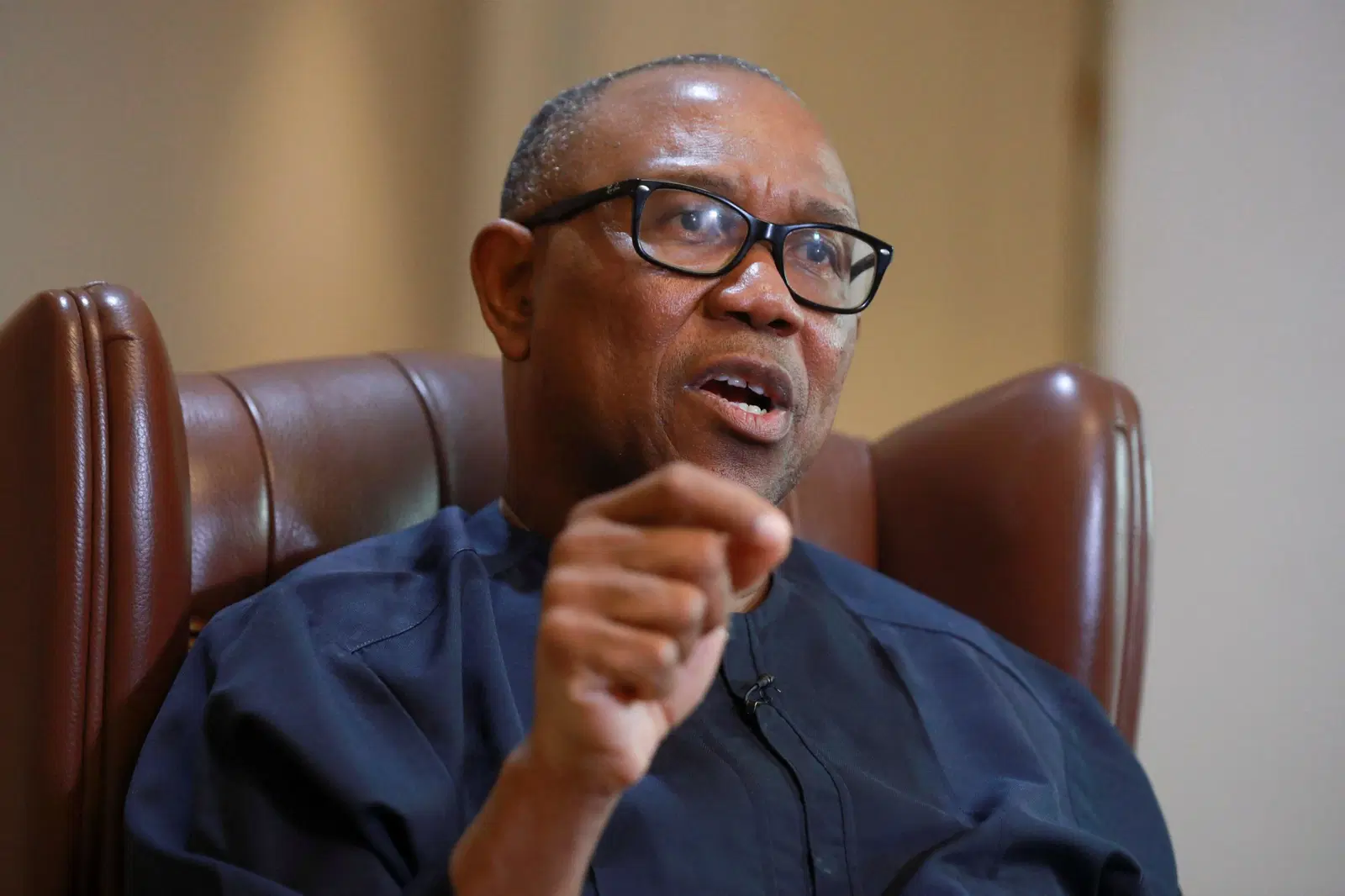

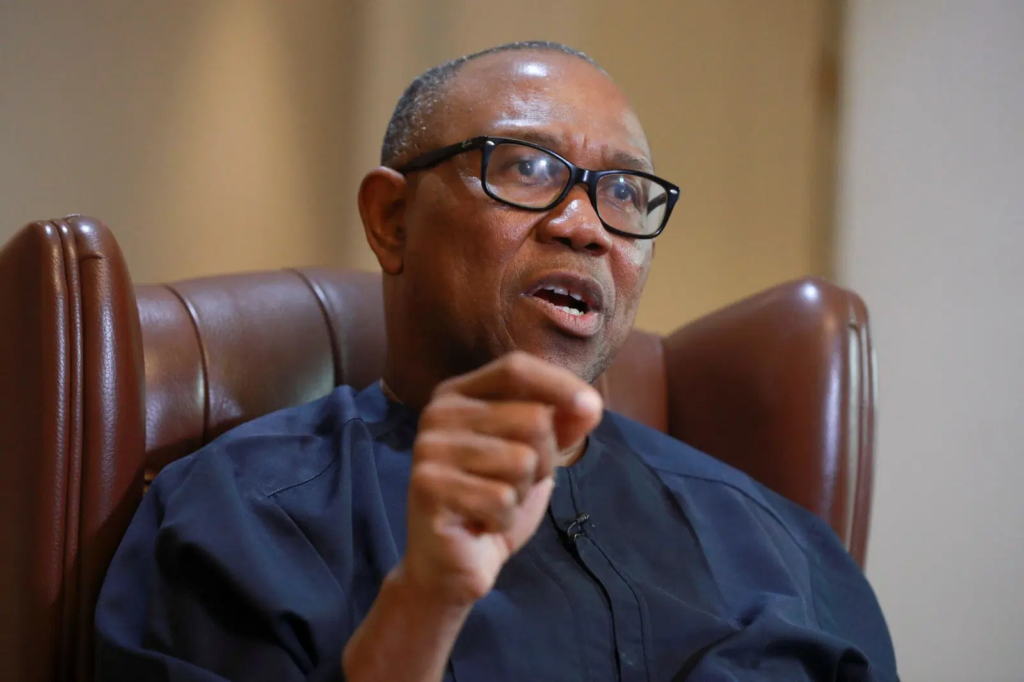
NNEWI — Peter Obi, the Labour Party’s presidential candidate and former governor of Anambra State, has called Nigeria a “rich country” that politicians have transformed into a crime scene, pointing to poor public resource management as a major issue.
Obi spoke at St. Stephen’s Anglican Church in Osumenyi, Nnewi South Local Government Area, Anambra State, at the Church of Nigeria Anglican Communion Standing Committee Meeting. The gathering, which had as its topic “Service to the Lord: Imperative for the Family under God,” brought together almost all of the nation’s Anglican bishops.
Obi attacked Nigerian politicians for embezzling money and giving frivolities precedence over important institutions, even as he praised Bishop Ephraim Ikeakor for changing the Amichi Diocese. “As politicians, we are Nigeria’s problem. We are the nation’s problem. We waste money on unnecessary things, allowing significant institutions to decay. He claimed that although the church currently operates the state’s top schools, the government does not provide them with subsidies.
His Grace Most Rev. Henry C. Ndukuba, Archbishop, Metropolitan, and Primate of All Nigeria, also spoke at the gathering and commended the Federal Government and security forces for their efforts to fight insecurity. However, he cautioned that criminal networks, terrorism, and banditry are still very much in place, emphasizing the necessity of ongoing strategy reviews and better interventions.
In order to combat instability, the Primate called on the Nigerian government to take a holistic approach that addresses porous borders, combats arms trafficking, holds terrorists accountable, and improves intelligence and community cooperation. He also urged the government and people to take firm action against corruption, hard drug trafficking, and structural vices that impede national progress.
Prof. Charles Soludo, the governor of Anambra State, greeted the bishops and highlighted the state’s security improvements, which included the elimination of 62 criminal camps. In order to guarantee long-term peace and stability, he called for the government and church to continue working together.
The significance of social duty, community service, and godly family leadership was underlined at the Standing Committee Meeting, which also highlighted the church’s role in advancing moral leadership, education, and societal advancement.