







Millions of UK people reside abroad, and many dual nationals have been able to enter the country covertly using foreign passports for years. However, this long-standing flexibility is set to expire.
British and Irish dual nationals will have to comply with more stringent and possibly expensive regulations when returning to the United Kingdom as the country implements its new Electronic Travel Authorization (ETA) system.
What you should know is as follows.
- Dual nationals will no longer be permitted to enter the U.K. on a foreign passport alone
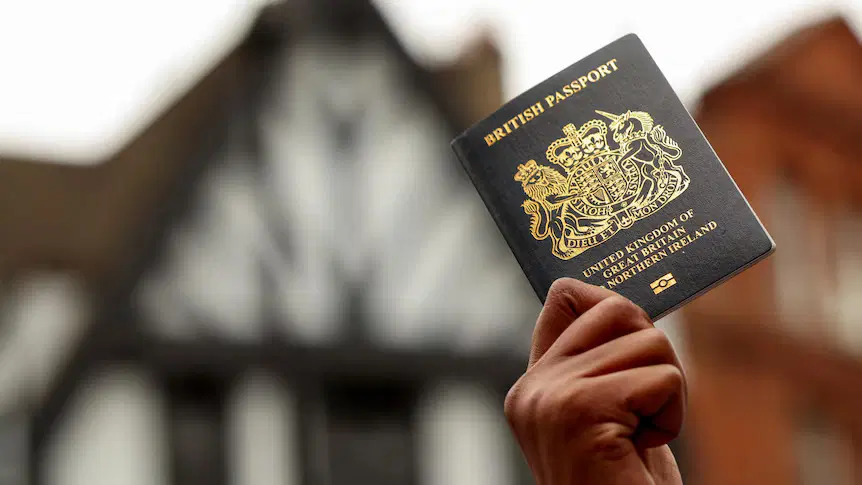
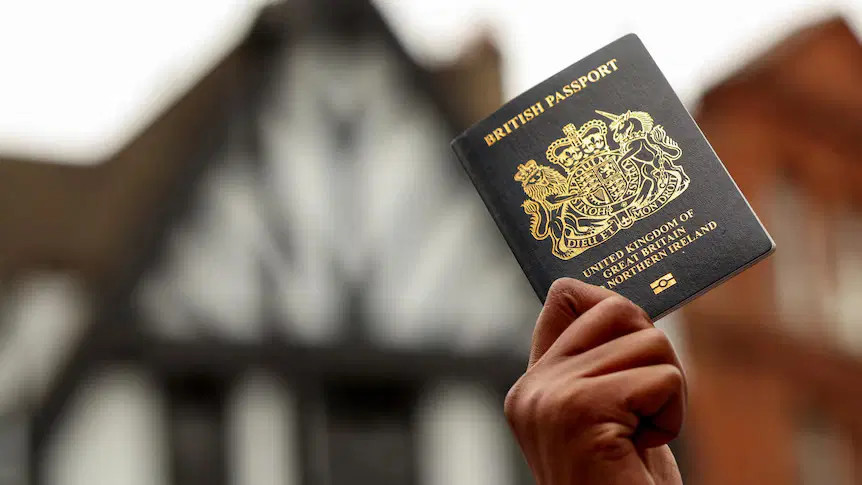
Dual citizens of Britain and Ireland will often need to use their British or Irish passport to enter the United Kingdom starting on February 25, 2026.
If a dual national seeks to fly on a foreign passport—such as a U.S., Canadian, Australian, or EU passport—they will be denied boarding unless they also carry a purchased Certificate of Entitlement, which shows their right of abode in the U.K.
For dual nationals who have traditionally relied on non-British passports to travel, this represents a significant change.
- The New ETA System in the United Kingdom Is Driving the Change
The Electronic Travel Authorization (ETA) implementation in the United Kingdom is directly linked to the new regulations.
The ETA, similar to the U.S. ESTA system, allows travelers from visa-free countries to purchase a £16 digital travel permit valid for two years. It enables stays of up to six months for tourism, business, or short-term job.
Dual citizens of Britain and Ireland, however, are not eligible to apply for an ETA. In order to close that loophole, the government is now enforcing passport-specific entry regulations because the ETA will be required for foreign passports.
- There is a chance that some dual citizens will be locked out of the United Kingdom.
The change is primarily an administrative hassle for dual nationals who now possess a valid British or Irish passport.
Those who do not now possess a British passport are at actual risk, including:
People with British parentage who were born abroad
Dual citizens who have never enrolled as citizens of the United Kingdom
Long-term foreigners who let their UK passport to expire years ago
These people may be stopped before they ever board an aircraft or boat to the United Kingdom if they cannot provide documentation of their British citizenship.
- The Cost of the Alternative Proof of Entry
A Certificate of Entitlement to the Right of Abode is the only option available to dual nationals who do not desire or are unable to get a British passport.
This document:
It costs £589, or about $800.
Must be renewed every time the passport it’s tied to expires
When traveling, it must be shown with a foreign passport.
Many dual citizens find that renewing a British passport is far easier, quicker, and less expensive than keeping this document.
- Dual Citizens Should Take Early Action Because Their Options Are Limited
Dual nationals essentially have four options for adhering to the new regulations:
Use an Irish or British passport to travel
Renewing a U.K. passport costs £94.50 inside the U.K. and more abroad, with processing timeframes of several weeks.
Request a Certificate of Entitlement.
An expensive but legal option for anyone who can’t or won’t get a British passport.
Register British citizenship (if eligible)
Before requesting a passport, people who were born overseas to British parents might have to legally register.
Give up your British citizenship
A radical move, but one that would permit travel with an ETA and a foreign passport.
Travelers may apply for a one-time emergency travel document in certain situations, but this is not a permanent fix.