






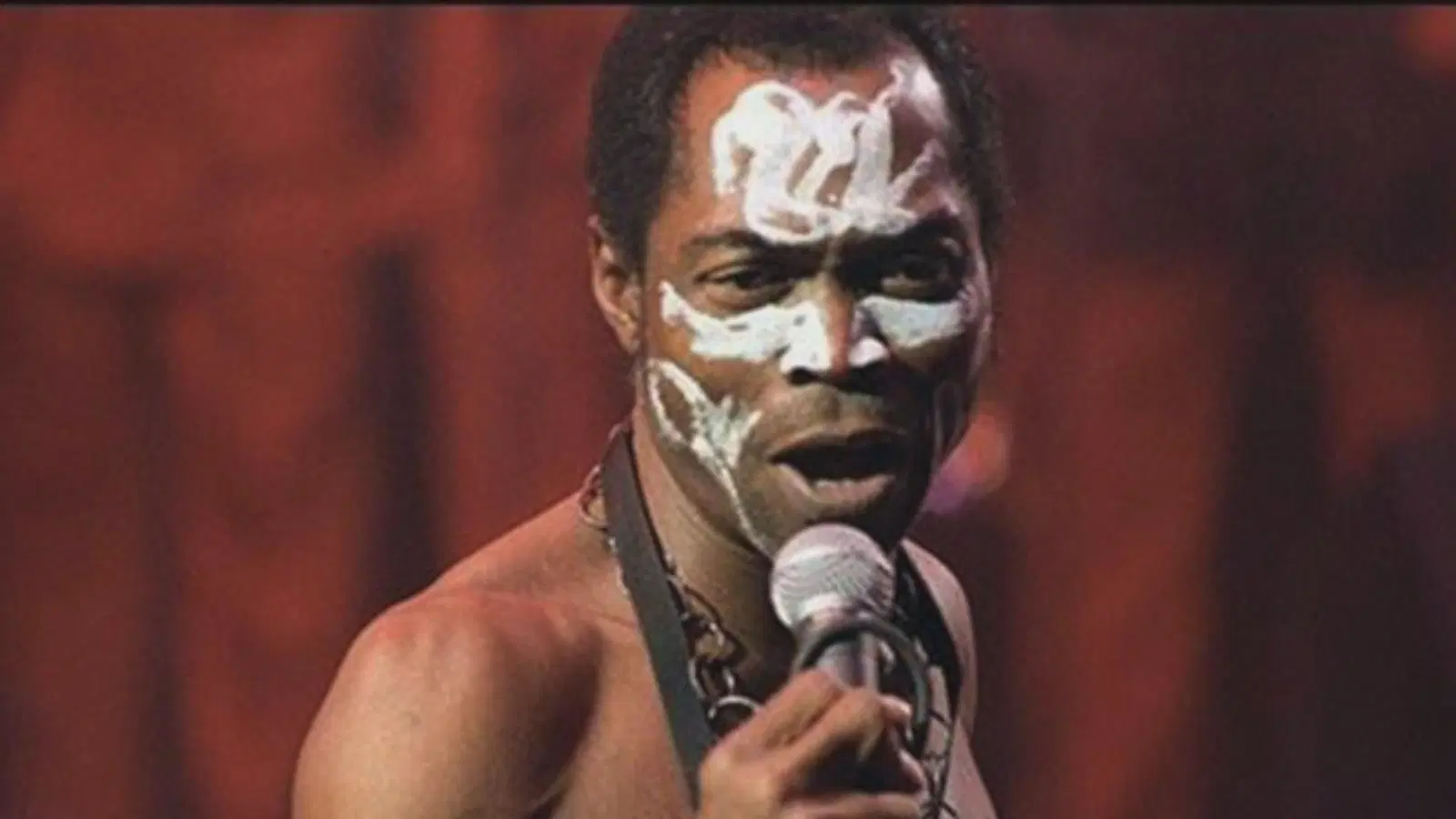

“The Ikoyi Prison Narratives,” a book by renowned author and historian Majemite Jaboro, provides unique insight into the life, spirituality, and political philosophy of Afrobeats icon Fela Anikulapo-Kuti.
Conversations between Jaboro and Fela while they were detained at Ikoyi Prison in Lagos from January to April 1993 while they awaited trial in a murder case are chronicled in the book.
Jaboro said the effort was motivated by memory, history, and a sense of obligation to preserve a significant period of Nigeria’s political and cultural development in an interview with the News Agency of Nigeria (NAN) in Lagos on Monday.
“The state’s practice of stifling opposition is symbolized by Ikoyi Prison. According to Jaboro, Fela’s imprisonment symbolized a conflict between authority and truth.
He clarified that the book presents what he called “an archive in motion” by fusing witness stories, oral history, political background, and cultural critique.
“Mythologizing Fela did not appeal to me. I wanted to portray him as a person ensnared in the state apparatus,” he continued.
“Using Fela’s experiences to analyze Nigeria’s history of governance, repression, and public dissent, the book explores themes of resistance, power, identity, and citizenship.”
Additionally, Jaboro reinterprets Fela’s songs, such as “Zombie,” “Alagbon Close,” and “Expensive Shit,” as political chronicles that depict the harsh reality of socioeconomic inequality and military brutality.
He claimed that these songs represent auditory documentation of what the government attempted to obliterate.
The author claims that Fela’s activism and conflicts with authority were influenced by his spirituality, Afrocentric ideology, and communal way of life.
“Fela was more than just a musician.” According to Jaboro, he was a mystic and political philosopher with roots in African mysticism and self-determination.
According to him, Fela’s influence can still be heard in modern African music, protest culture, and youth movements.
He claimed to have demonstrated that a microphone could have the same impact as a manifesto.
Jaboro underlined how crucial it is to portray Fela fairly, showcasing both his strengths and weaknesses.
“Propaganda heroes are perfect. “History must be truthful,” he declared.
According to the author, the book also warns political leaders about the perils of intolerance and repression.
Critics’ voices are only amplified when they are imprisoned. “Culture turns into rebellion when governments ignore pain,” he said.
He said he hoped the book will put African stories at the forefront of discussions about music, social change, and resistance around the world.
He went on to say, “Our stories belong at the heart of global political thought.”
According to NAN, “The Ikoyi Prison Narratives” connects music, spirituality, and political philosophy in contemporary Nigerian history while providing a unique first-hand account of one of Africa’s most significant cultural personalities.