






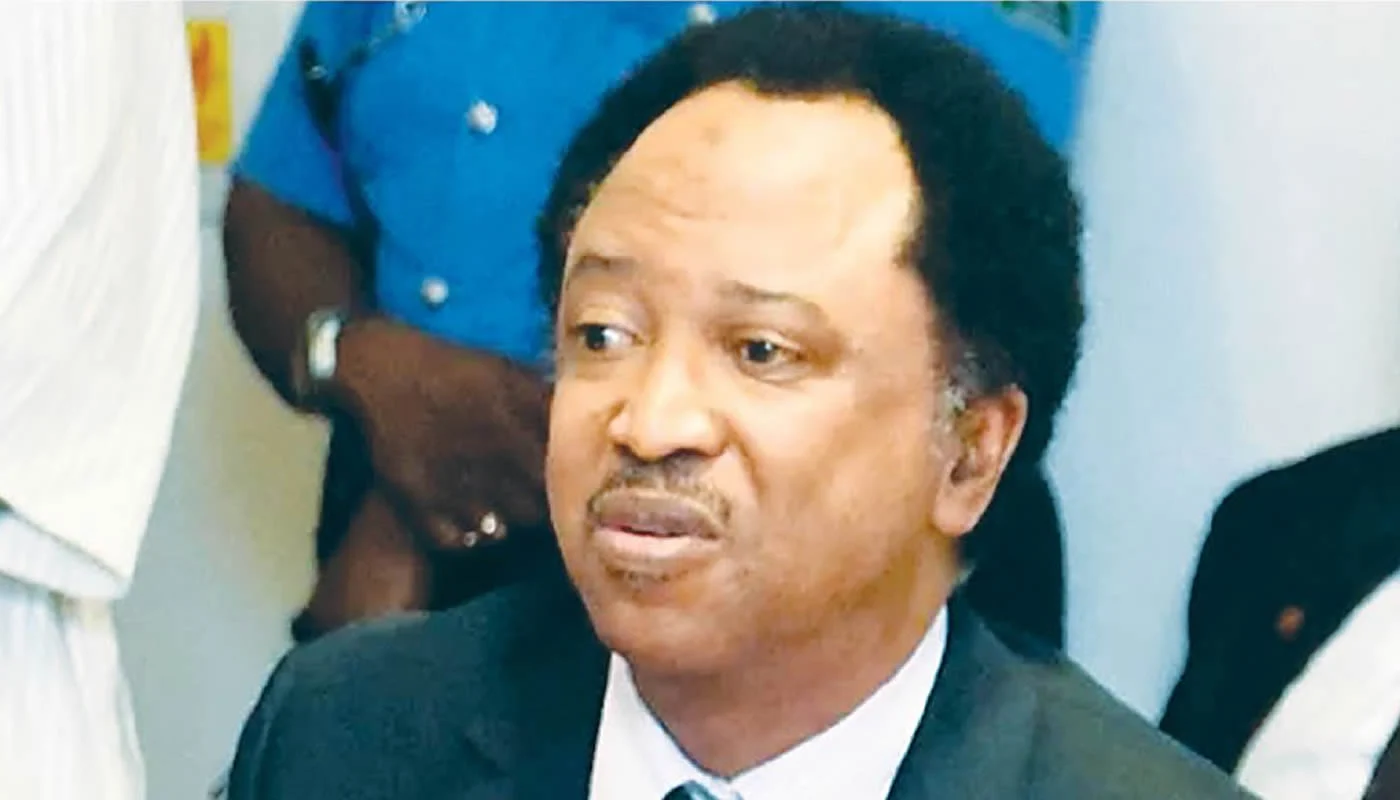

Senator Shehu Sani, a former politician, has warned that the official withdrawal of the United States from the World Health Organization poses a threat to the health security of the world’s most vulnerable populations, calling it a “unfortunate” development for global stability.
Sani emphasized the vital role the organization plays in upholding global health standards in a message posted to his X (previously Twitter) account on Friday.
After a year-long process started by the Trump administration, the United States formally concluded its withdrawal from the UN health agency on Thursday, January 22, 2026.
With the departure, the WHO’s historically biggest financial contributor will no longer be a member for 78 years.
In response to the announcement, Sani emphasized the organization’s presence in regions that big powers frequently overlook.
“The US withdrawal from the @WHO is unfortunate,” he stated. The World Health Organization (WHO) has been a global organization and tool for addressing global health issues for many years, even in the most remote areas of the world.
“WHO is indispensable and irreplaceable.”
The WHO’s budget is severely impacted by the departure, with an estimated annual funding vacuum of hundreds of millions of dollars.
Sani called on other world powers to intervene in order to keep vital initiatives like pandemic preparedness, malaria control, and polio eradication from collapsing.
Sani specifically addressed the Rich Arab Gulf States, China, and the European Union.
He continued, indicating a change in the anticipated burden of global health leadership, saying, “I wish to call on Europe, China, and rich Arab Gulf countries to fill up the financial Gap left behind by the US exit.”
The U.S. government, led by Health and Human Services Secretary Robert F. Kennedy Jr. and Secretary of State Marco Rubio, justified the exit by citing the WHO’s “mishandling” of the COVID-19 pandemic and its “failure to adopt meaningful reforms.”
The U.S. has stated it will now pivot toward bilateral health agreements and direct partnerships with NGOs, rather than working through the UN framework.
However, critics like Sani argue that a fragmented approach to global health could lead to slower responses during future outbreaks and leave “remotest communities” without a safety net.