



The management of Dangote Refinery has blamed difficulties in the supply of crude oil and demands from the worldwide market for the most recent petrol prices in Nigeria.
The refinery stated that despite the start of domestic refining, other circumstances, like as geopolitical tensions in the Middle East, have dimmed expectations that local refining would dramatically lower pump costs.
David Bird, the refinery’s managing director, stated in an interview with Arise Television that the facility functions entirely within the dynamics of the global market without the need for subsidies.
“The refinery operates without subsidies and is fully exposed to global market forces on fuel pricing, making it vulnerable to fluctuations driven by geopolitical tensions,” he stated.
Pricing is still under pressure from a number of cost factors, Bird continued.
“All of our cost inputs, from crude to freight and insurance, are impacted, but we try to maintain some stability within a commercially acceptable range,” he said.
Pump Costs Are Still High
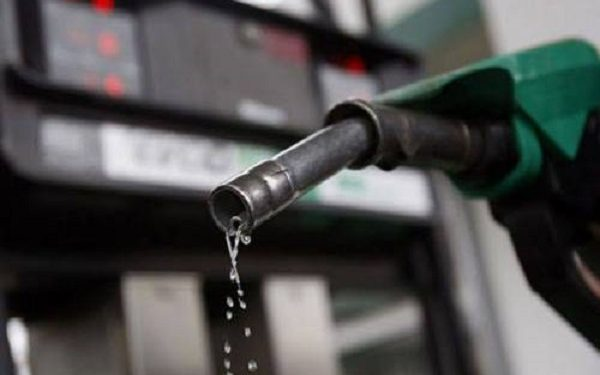
Vanguard reports that a market survey conducted on Wednesday, March 25, 2026, revealed that retail gas prices nationwide had not yet reflected the recent decline in the price of crude oil.
This is in contrast to the rapid rise in pump prices that was observed during last week’s spike in crude prices on the global market.
The average price of gasoline is currently at N1,300 per litre across the country, after marketers caused an almost 20% hike.
Bird acknowledged Nigerians’ struggles and explained them as a component of a larger economic problem.
“Every aspect of the modern economy is impacted by energy; this is a cost-of-living crisis,” he declared.
He also cautioned that supply chains would still be impacted even if international disputes were settled right away.
Bird pointed out that “supply chain disruptions will persist for months even if tensions ease.”
In order to alleviate cost pressures in the industry, the refinery manager encouraged the federal government to take a more comprehensive strategy.
Bird stated, “I believe there is a chance for the government to take a comprehensive approach, not just crude price, but the cost of doing business in Nigeria.”
In order to mitigate future shocks, he also emphasized the importance of strategic planning.
He continued, “Government and business must consider the unimaginable; COVID should have made us aware of the vulnerability of global supply chains.”
Bird also voiced worries about Nigeria’s crude oil allocation system, claiming that the refinery is frequently unable to obtain its preferred crude grades and is under-supplied.
“There are many different crude grades in Nigeria. We give our selections. Additionally, we frequently do not receive the grades that we are indicating as our preferences, in addition to not receiving the entire allocation,” he stated.
He claims that the refinery is forced to purchase crude at a greater rate from the global market due to the shortage.
Purchasing Nigerian Crude at a Premium Price Abroad
According to Naija News, the MD of Dangote Refinery disclosed that, despite operating domestically, the company is forced to purchase Nigerian crude grades at a premium from the international market.
He revealed, “We’re currently paying over $18 a barrel premium for those same Nigerian crude grades.”
He clarified that the Crude-for-Naira deal only supplies 30 to 35 percent of the refinery’s crude needs, and even then, there is no pricing advantage.
Therefore, we are given 30 to 35 percent under Crude for Naira without any discount or subsidy. The pricing is benchmarked internationally. The international benchmark freight rates must then be paid. Additionally, freight has suffered greatly—insurance rates, etc.—Bird continued.