



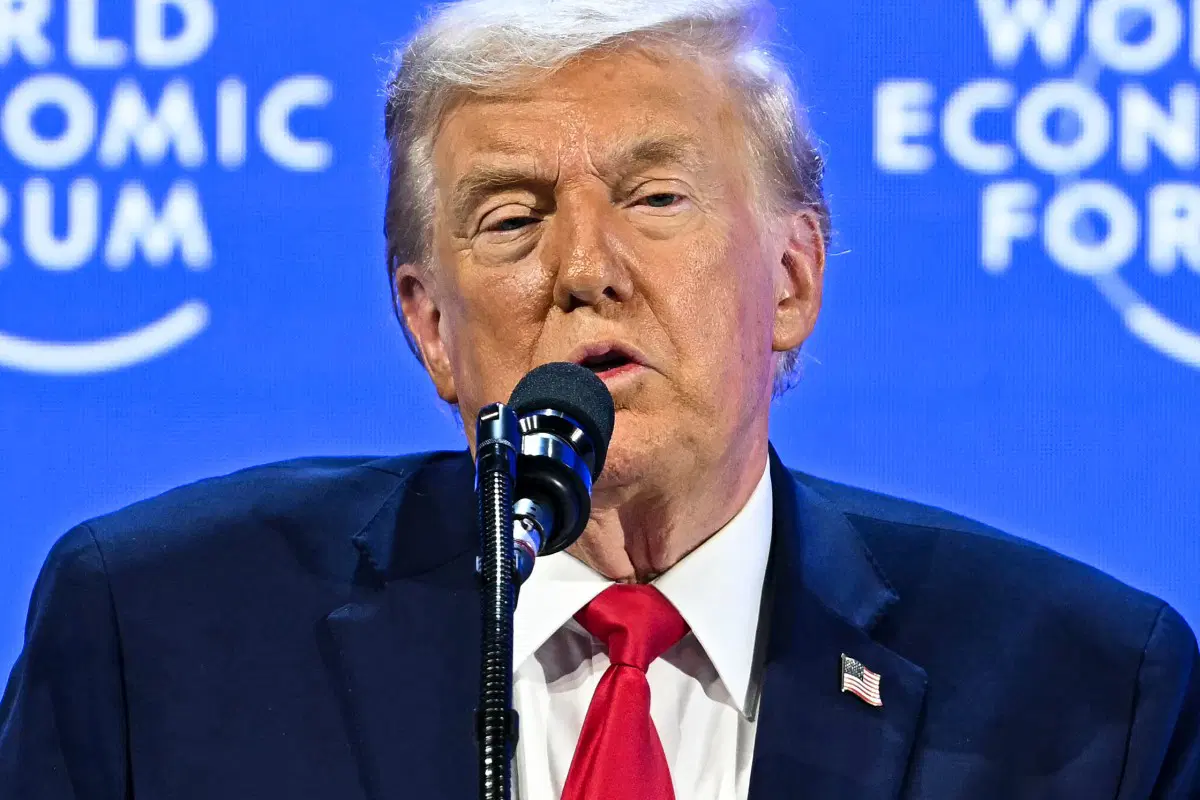
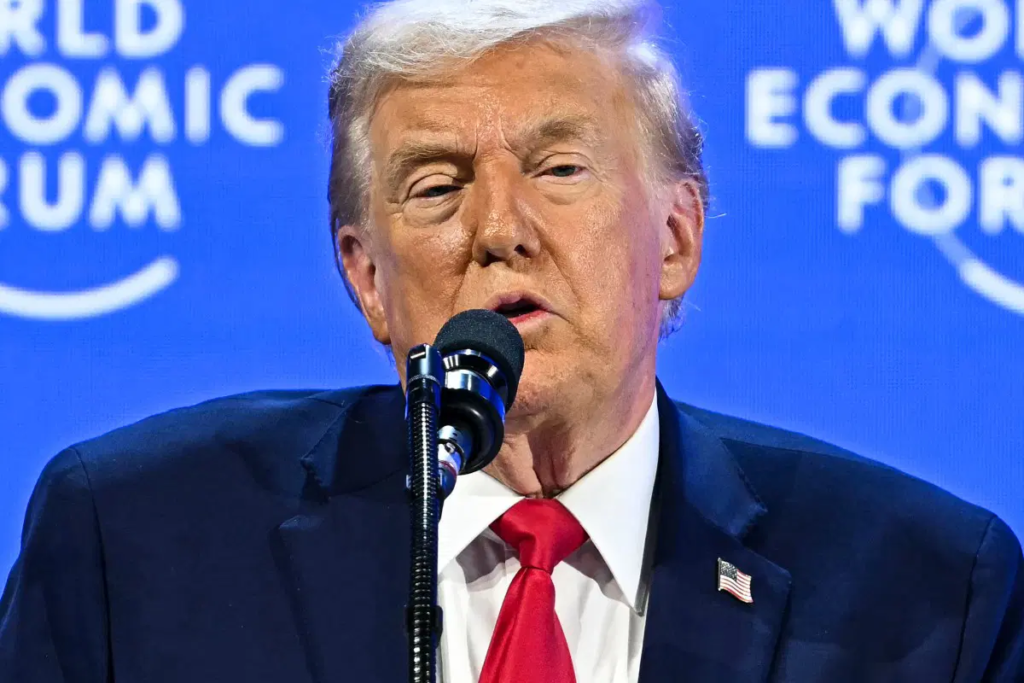
Nouri al-Maliki, Iraq’s front-runner for prime minister, criticized Washington’s “blatant interference” on Wednesday after President Donald Trump threatened to cut off all aid to the nation if Maliki was elected.
Since spearheading the 2003 war that overthrew longtime ruler Saddam Hussein, the US has had considerable influence over Iraqi politics.
Maliki, the only past prime minister of Iraq to serve two terms since the invasion, declared, “We categorically reject the blatant American interference in Iraq’s internal affairs.”
He said on X, “We consider it a violation” of Iraq’s “democratic system,” which has been in place since 2003.
During his tenure as prime minister (2006–2014), Maliki’s expanding links with Iran and charges that he promoted a sectarian agenda caused him to clash with Washington.
However, the astute 75-year-old politician continued to be a key player in Iraqi politics and a power broker whose support is regarded as essential to any coalition in power.
Trump stated on Tuesday that if Maliki were chosen for the top position, Iraq would make a “very bad choice.”
Maliki’s “insane policies and ideologies, if elected, the United States of America will no longer help Iraq,” he cautioned.
The Coordination Framework, a collection of Shiite organizations with differing ties to Iran that has been the primary ruling coalition in recent years, supported Maliki as Iraq’s next prime minister.
“Until the end”—Since the invasion, Iraq has served as a stand-in for the US and Iran, with successive administrations attempting to strike a careful balance between the two adversaries.
However, as Tehran’s influence in the region diminishes and Washington raises the possibility of military intervention in Iran, Iraq’s next prime minister is scheduled to take office again during a period of profound shifts in the Middle East.
Maliki said that the US participation “infringes upon the Coordination Framework’s decision to nominate” its candidate in his article on Wednesday.
In keeping with that choice, he continued, he “will continue to work until the end, in a way that achieves the higher interests of the Iraqi people.”
The coalition is scheduled to meet shortly to consider Trump’s ultimatum, according to several Iraqi political sources who spoke to AFP.
According to a source close to the Framework, “efforts are underway to hold a meeting amid a complicated situation.”
He continued by saying that although there were disagreements within the coalition about whether or not to back Maliki, the matter was ultimately resolved by a majority vote.
Maliki stated that his supporters are now urging him to continue running and “not back down.”
Iraqi sources and diplomats in Baghdad claim that US officials in Iraq have been lobbying against Maliki.
Days prior to Trump’s remarks, Secretary of State Marco Rubio expressed similar worries to departing Prime Minister Mohammed Shia al-Sudani over the phone.
According to political insiders who spoke to AFP, the US also delivered a letter to Iraqi parliamentarians stating that Washington has a poor opinion of Maliki.
Washington’s long-standing demand that Baghdad disarm Tehran-backed factions—many of which the US has classified as terrorist organizations—will likely be addressed by Iraq’s new prime.
Iraqi officials and diplomats told AFP last month that Washington insisted on the next government’s exclusion of armed groups supported by Iran.
An Iraqi political source stated before to Trump’s call that the Coordination Framework was determined to proceed with the nomination because they thought Maliki could eventually satisfy Washington’s worries.
An Iraqi official told AFP that Maliki “thinks differently today.”
Iraq has lately acquired a semblance of security following decades of conflict and upheaval.
However, it is experiencing slow economic growth and cannot afford to face punitive actions from the US, which has already imposed sanctions on a number of Iraqi organizations, accusing them of aiding Tehran in evading sanctions.