






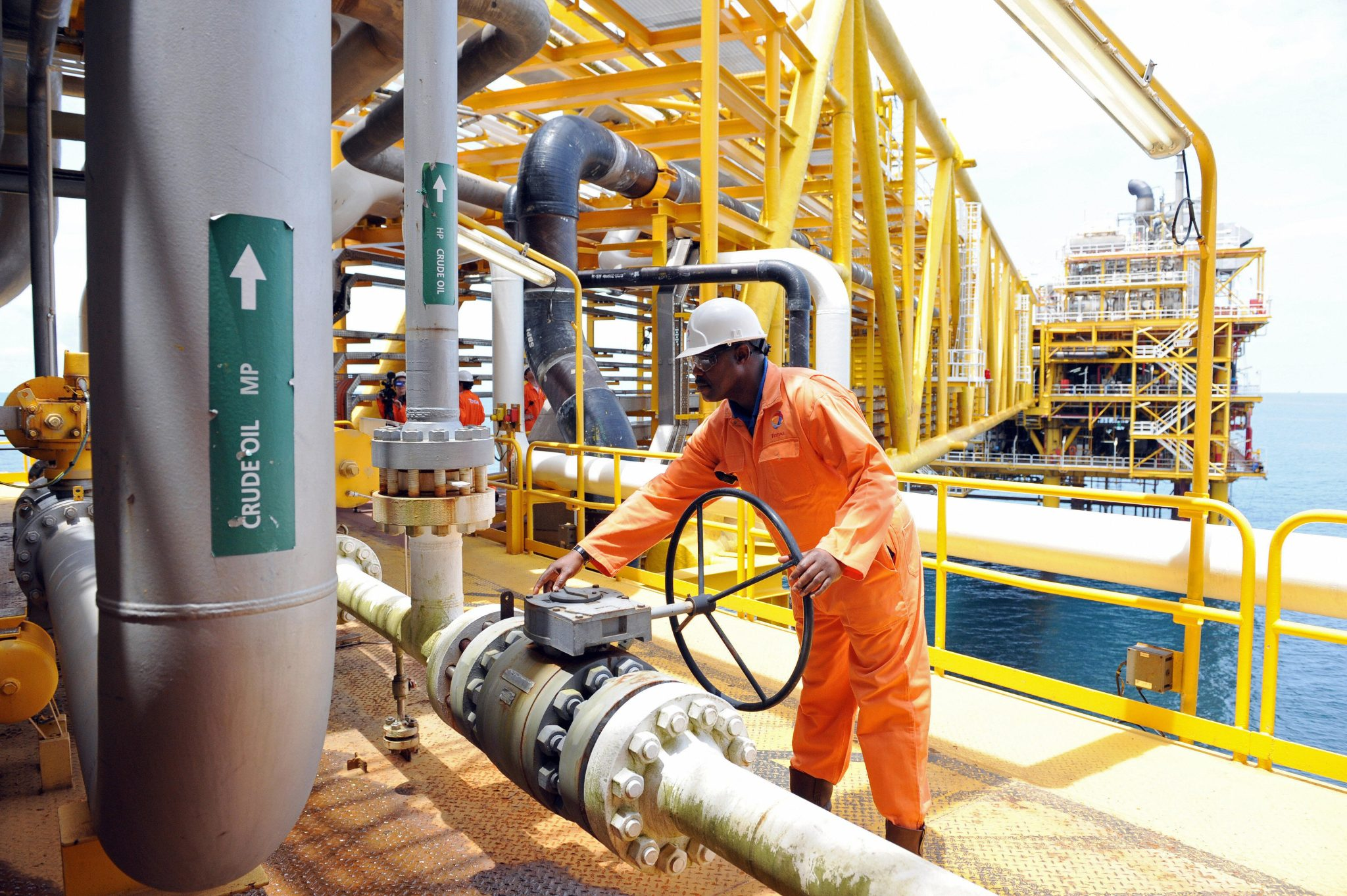

Despite ongoing output falling short of its quota, Nigeria’s crude oil production grew to 1.459 million barrels per day in January 2026, solidifying the nation’s position as Africa’s top oil producer.
According to Naija News, the numbers were included in OPEC’s most recent Monthly Oil Market study, which was published on Wednesday. The study indicated a slight increase in Nigeria’s production levels month over month.
However, the assessment emphasized the nation’s ongoing inability to reliably fulfill its designated output ceiling due to operational and structural issues in the oil industry.
Nigeria’s crude production increased by around 37,000 barrels per day, from 1.422 million barrels per day in December 2025 to 1.459 million barrels per day in January 2026, according to the report.
OPEC and Nigerian authorities communicated directly to compile the data.
Nigeria nevertheless missed its limit of 1.5 million barrels per day by almost 50,000 barrels per day, despite the improvement. This is the sixth straight month that the nation has produced less than its allotment.
According to a report breakdown, January production was 1.459 million barrels per day, while December production was 1.422 million barrels per day.
Nigeria’s output was slightly higher at 1.47 million barrels per day according to OPEC’s secondary sources, which included independent experts and market trackers. This was due to small variations in measuring techniques that are typical of OPEC reporting.
Nigeria continues to be Africa’s top producer of crude oil, surpassing Libya, which recorded 1.37 million barrels per day during the same time, according to the most recent data.
Given Nigeria’s reliance on oil exports to pay its budget and support the currency, industry experts told Daily Trust that the slight increase gives cautious optimism for government income and foreign exchange gains.
Analysts cautioned that deeper reforms, more upstream investments, and improved sector-wide operational efficiency would be necessary to consistently meet OPEC production targets.
They pointed out that in the upcoming months, reducing the output gap will be crucial, especially as Nigeria looks to stabilize its economy and increase fiscal earnings.
Nigeria’s ambitious goal is to grow crude oil output to two million barrels per day by 2026, and by 2027, it is expected to reach 2.5 million barrels per day.
But reaching the goal will require continued investment, better infrastructure to support upstream activities, and increased security in oil-producing areas.