



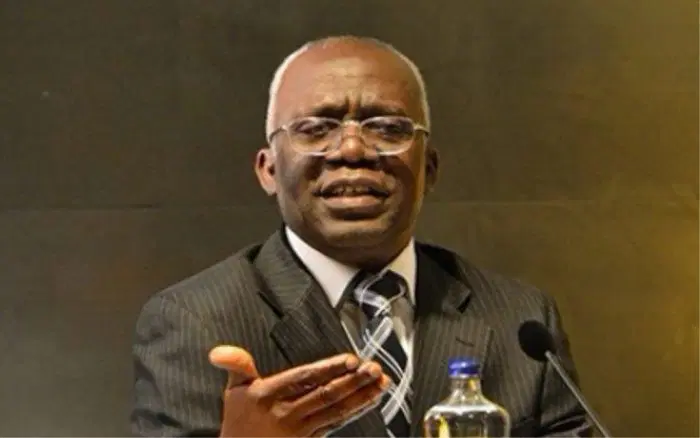
Femi Falana, a well-known human rights attorney and senior advocate for Nigeria, has criticized the Nigerian Senate for what he claims are purposeful delays in the Electoral Act Amendment Bill’s passing.
Falana cautioned that postponements could endanger the credibility of the 2027 general elections.
Speaking in an interview with Arise News on Sunday, Falana voiced dismay at the Senate’s decision to set up yet another committee to evaluate the law, despite the House of Representatives having passed it in December 2025.
It is abundantly evident from the behavior of both National Assembly chambers that the members only want the status quo to be maintained. This rigmarole is aimed to give the impression to Nigerians that the proposed Electoral Act is being addressed,” Falana remarked.
The Electoral Act Amendment Bill includes significant improvements, including provisions for electronic transmission of election results, tougher penalties for vote-buying, voting rights for inmates, and consequences for delegates who are financially enticed to manipulate party conventions. Falana stated that these measures are important to close chronic gaps in Nigeria’s voting process.
He charged that legislators were ignoring the efficient implementation of electoral provisions in favor of revisions already covered by current legislation. “We work in a climate of careless impunity. The only politically vital subject now is the gale of defections in Nigeria, although the National Assembly focuses on time-wasting amendments,” he said.
Falana also reminded that essential reforms, such as the establishment of an electoral offenses commission advocated as long back as 2008, remain unimplemented. He emphasized the necessity of enacting legislation governing electronic accreditation and result transmission, particularly in light of recent election-related problems. “Last election, we were subjected to a national disgrace when three leading presidential candidates claimed to have won. That election petition lasted 10 months. Why should it take two years to put these requirements in law?” he queried.
Falana concluded by calling on Nigerians and civil society organizations to put more pressure on legislators, saying, “The new electoral bill will not be passed unless Nigerians are mobilized to pressure the National Assembly.” Until we take action, there is no sign that it will be passed.