



Written by Obas Esiedesa
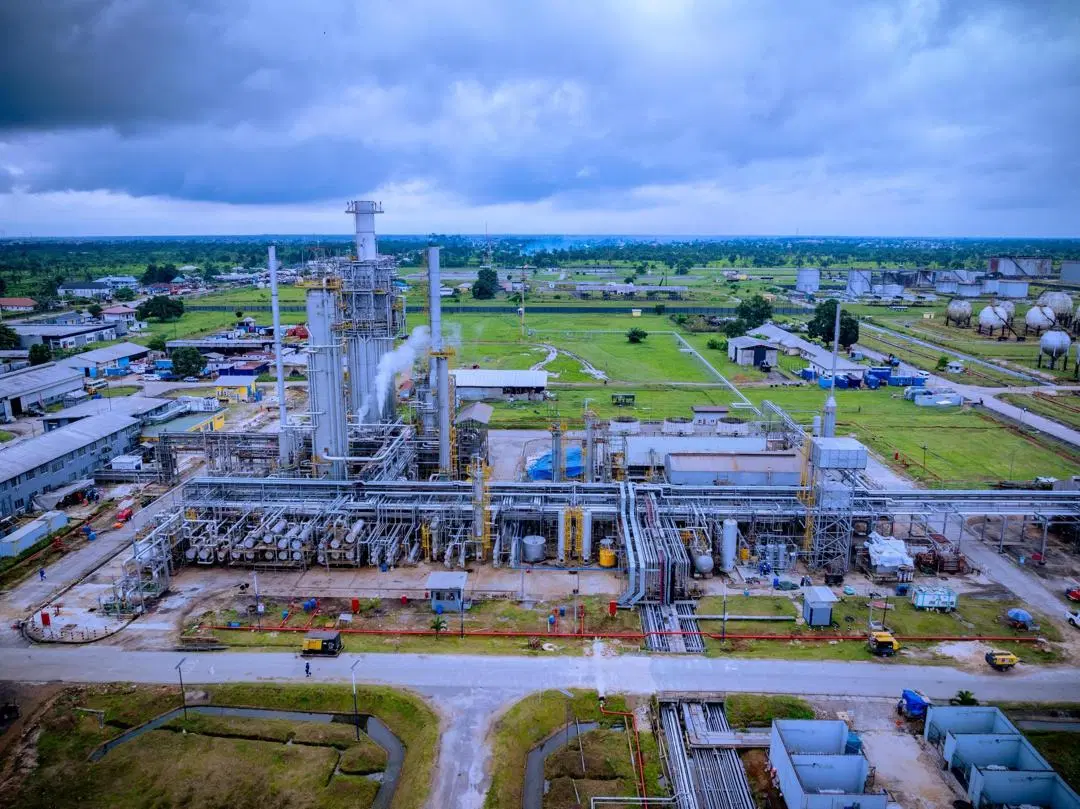
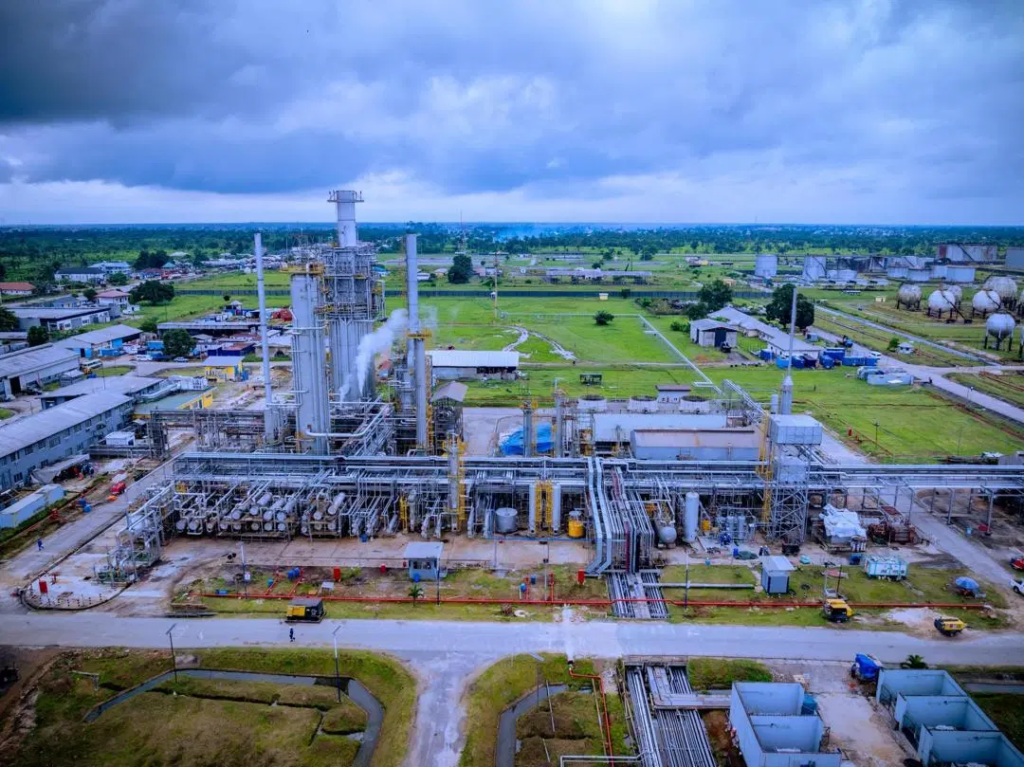
ABUJA — According to Engr. Bayo Ojulari, Group Chief Executive Officer of NNPC Limited, the Port Harcourt Refinery and Petrochemical Company’s reopening was a massive waste of money.
Speaking on Wednesday at the 2026 Nigerian International Energy Summit, Ojulari stated that the national oil company is now unable to run refineries profitably.
He pointed out that sufficient funding, qualified Engineering, Procurement, and Construction (EPC) contractors, as well as effective operations and maintenance capabilities, are necessary for refineries to operate efficiently.
After almost three years of renovation under the direction of former NNPC GCEO Mele Kyari, the Port Harcourt Refinery was reopened in November 2024 at a cost of $1.5 billion. However, because of significant financial losses, it was shut down in May 2025.
According to Ojulari, it became clear that the refinery was running at a significant loss after observing its activities for a number of months.
“The first thing that became evident was that we were losing against Nigeria by a significant margin. All we were doing was squandering cash. Now I can say that with confidence,” he remarked.
“I had to shut it down to stop the rot and then quickly recalibrate to see what could be done,” the speaker said.
He questioned how, despite a steady supply of petroleum, the refinery was still losing money.
Every month, we pumped cargo into the refinery, but only around 50 to 55 percent of it was being used. We were losing the value of those cargoes. Our operations and contractors were costing us a lot of money.
But when you consider the overall result, we were simply bleeding value, and it was unclear how to convert those losses into gains, he continued.
Ojulari stated that in order to run the nation’s refineries, NNPC is currently looking for trustworthy partners with a track record of success in refinery management.
Three things are necessary for a refinery to function. To support operations and activities, you must first obtain funding. Second, you require a skilled EPC contractor capable of completing projects of the highest caliber. Third, the refinery requires top-notch operating capability.
Regarding plans to increase oil output, Ojulari said he was hopeful that the 2026 production goal of 1.8 million barrels per day could be met.
Given that last year’s average production was roughly 1.7 million barrels per day, he called the Federal Government’s 2025 budget target of 2.06 million barrels per day overly ambitious.
The budget is predicated on 1.8 million barrels per day, but our goal for this year is two million barrels per day. Thus, we’re not overcommitting,” he clarified.
Overprojection was one of Nigeria’s financial issues last year. Production and, consequently, income were overestimated.
We had a crisis by the middle of the year. Even though production and oil prices were lower than expected, government organizations had already planned their expenditures based on those presumptions. These actions have far-reaching effects.
Because of this, having a solid production plan shouldn’t be limited to checking boxes. We all need to take it seriously,” he stated.