



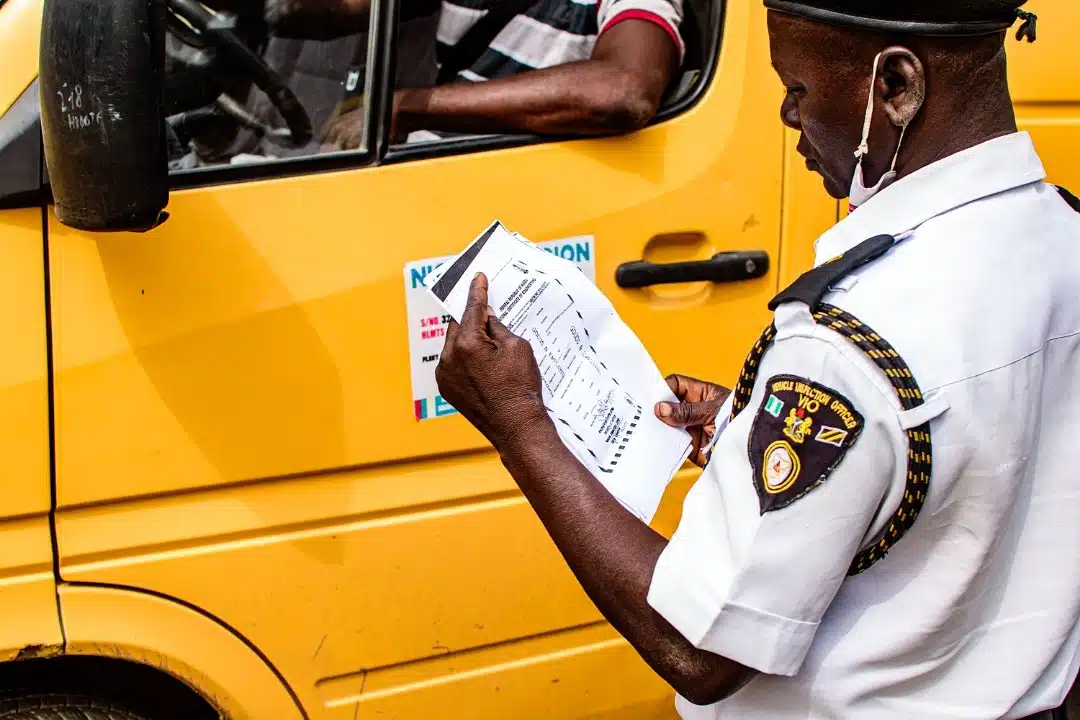
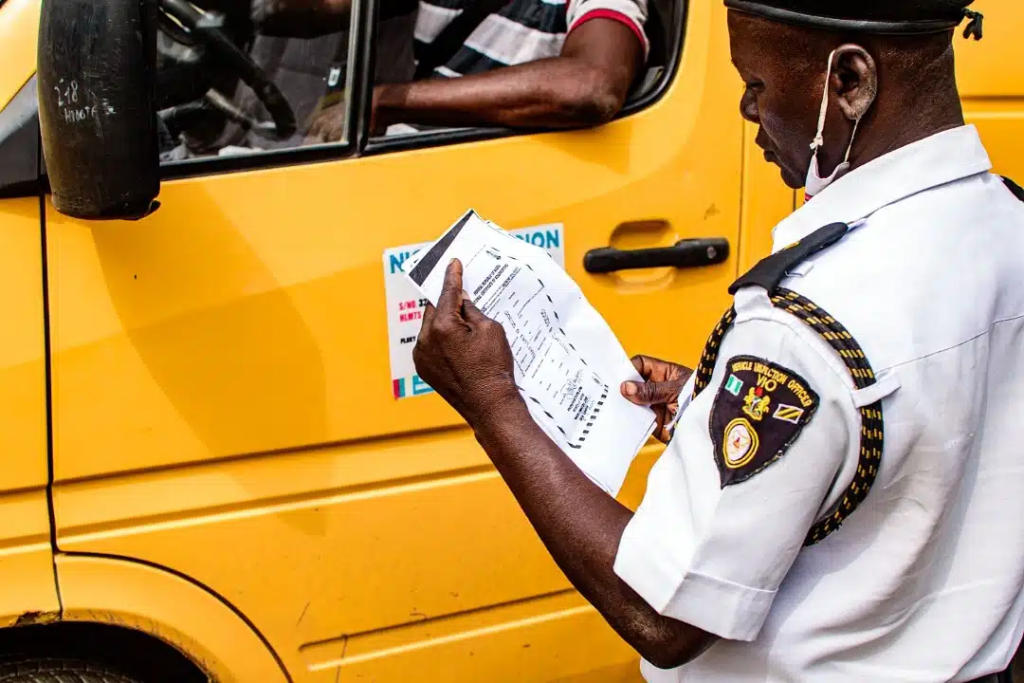
Following public reactions to a recent Court of Appeal ruling that prohibited Vehicle Inspection Officers (VIO) in the Federal Capital Territory from stopping drivers, impounding vehicles, or imposing fines, the Lagos State Government has clarified the legality of the activities of VIO officers throughout the state.
The government characterized viral interpretations that suggested the verdict applied throughout Nigeria as deceptive in a statement released on Sunday by Lawal Pedro, the Commissioner for Justice.
“A viral report of misrepresentation of the Court of Appeal, Abuja Division, which affirmed the judgment of the Federal High Court, Abuja on the illegality of VIO activities of impounding or confiscating vehicles and/or imposing fines on motorists in FCT Abuja has drawn the attention of the Lagos State Ministry of Justice,” the statement said.
The ministry clarified that the Federal High Court’s previous decision, which was maintained on appeal, was based on the Federal Capital Territory’s lack of statutory authority for VIO personnel to implement the law.
“The Honourable Judge of the Federal High Court and Justices of the Court of Appeal based their decision on the fact that the Respondents did not have the statutory authority to stop, impound, or confiscate vehicles and/or impose fines on motorists on roads in FCT Abuja,” the statement reads.
The state government insisted that the ruling was not generally applicable, even though it acknowledged the judgment’s legality.
Nigeria’s federal framework permits states to enact laws on lingering issues, such as traffic control and vehicle inspection, the ministry said, adding that “the Judgment, though binding, is not of general application or nationwide effect in Nigeria.”
VIS is Empowered by Lagos Law
Citing the creation and authority given to the Vehicle Inspection Service under the Lagos transport sector reform framework, the administration emphasized that enforcement actions in the state are supported by the law.
It clarified that VIS officers have the authority to do pre-registration inspections, issue roadworthiness certificates, inspect and regulate the roadworthiness of vehicles, and work with other agencies to enforce traffic laws.
The ministry further stated that magistrate courts or mobile courts are used to oversee the punishments meted out to violators.
If a mobile court imposes the fine, it must be paid immediately; otherwise, it must be paid within 48 hours of the ticket being issued by an authorized officer. According to the statement, “a formal charge shall be proffered against the offender upon default of payment.”
The state maintained that VIS operations are still legal and supported by the constitution.
It stated that “the process and procedure of the VIS officers’ power enforcement on Lagos roads are in accordance with the law and not unlawful or unconstitutional.”
The administration advised drivers to work with law enforcement and not rely on what it called misrepresentations of the Abuja ruling.
Therefore, in order to avoid penalties, the ministry recommended the people to comply with Lagos State VIS officials on Lagos highways and not to be deceived.
Additionally, it issued a warning that any driver who attacks or obstructs VIS officers while they are performing their duty faces arrest and legal action.
Following the appeal court’s judgment, which upheld a previous rule prohibiting the Directorate of Road Traffic Services and VIO authorities in the Federal Capital Territory from impounding vehicles or fining drivers, the explanation comes amid a protracted public debate.