



After an earlier effort was swiftly halted owing to a minor fault, Japan turned on the largest nuclear power plant in the world once more on Monday, according to its operator.
In January, its first restart since the Fukushima accident was halted due to an issue with a monitoring alert.
The Tokyo Electric Power Company (TEPCO) said in a statement that the Kashiwazaki-Kariwa facility in the Niigata region has resumed at 2:00 pm (0500 GMT).
Since Japan shut off nuclear electricity following a massive earthquake and tsunami that caused three reactors at the Fukushima atomic plant to melt down, the facility had been offline.
After an earlier effort was swiftly halted owing to a minor fault, Japan turned on the largest nuclear power plant in the world once more on Monday, according to its operator.
In January, its first restart since the Fukushima accident was halted due to an issue with a monitoring alert.
The Tokyo Electric Power Company (TEPCO) said in a statement that the Kashiwazaki-Kariwa facility in the Niigata region has resumed at 2:00 pm (0500 GMT).
Since Japan shut off nuclear electricity following a massive earthquake and tsunami that caused three reactors at the Fukushima atomic plant to melt down, the facility had been offline.
However, in order to lessen its dependency on fossil fuels, become carbon neutral by 2050, and satisfy the expanding energy demands of artificial intelligence, Japan is now looking to atomic energy.
In an attempt to revitalize the Asian economic powerhouse, Conservative Prime Minister Sanae Takaichi, who won a landslide election victory on Sunday, has advocated for nuclear power.
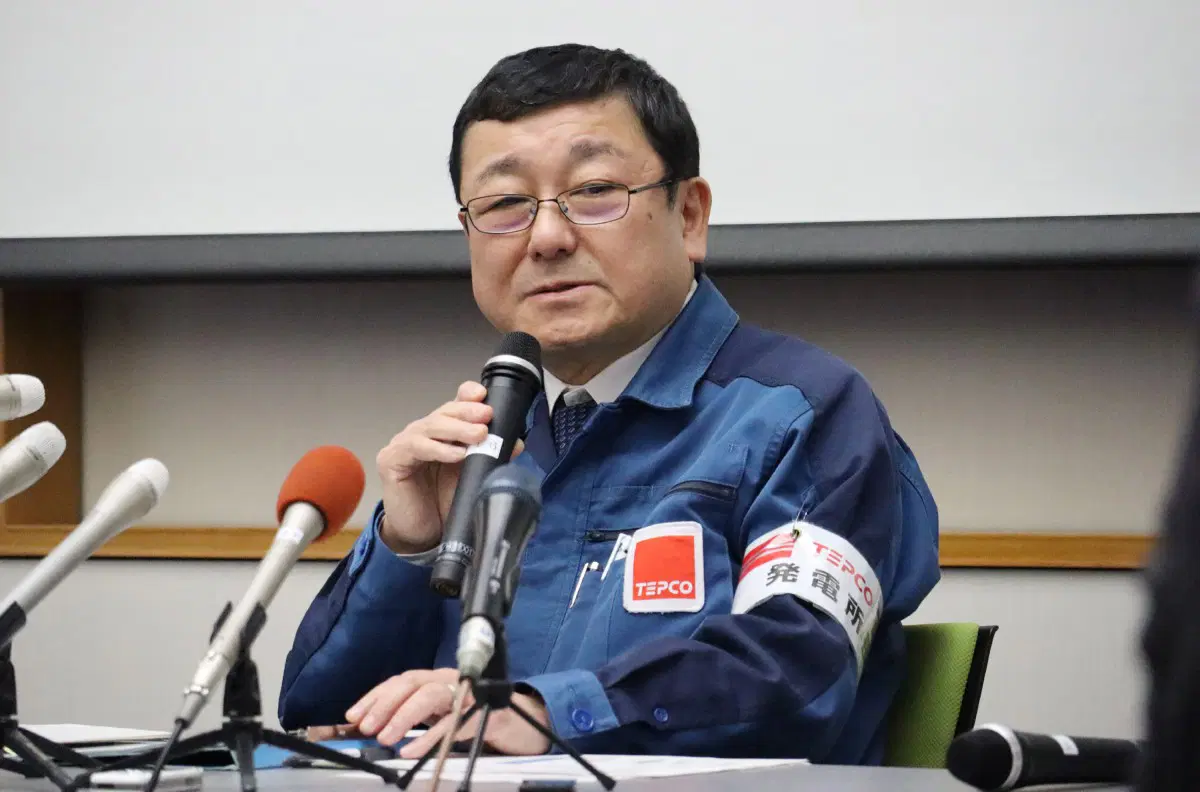
On January 21, TEPCO started one of the seven reactors at the Kashiwazaki-Kariwa plant. However, a monitoring system alarm caused it to be turned down the next day.
TEPCO officials told a news conference last week that the alarm had detected minor changes in one cable’s electrical current, even though they were still within a safe range.
Since the reactor is safe to operate, the company has adjusted the alarm’s settings.
TEPCO officials say that following another thorough inspection, commercial operations will start on or after March 18.
Despite only one of the seven reactors being restarted, Kashiwazaki-Kariwa is the largest nuclear power station in the world in terms of theoretical capacity.
Since the post-Fukushima shutdown, 14 reactors—mostly in western and southern Japan—have started up again under stringent safety regulations; as of mid-January, 13 of them were operational.
Since 2011, Kashiwazaki-Kariwa is the first TEPCO-run facility to reopen. Additionally, the business runs the now-decommissioned Fukushima Daiichi reactor.
Elevated emergency power systems, a 15-meter (50-foot) tsunami wall, and other safety improvements have been installed on the expansive Kashiwazaki-Kariwa complex.
However, a survey performed by Niigata prefecture in September found that almost 60 percent of locals are against the restart, while 37 percent are in favor of it. This indicates that public opinion in the vicinity of the plant is sharply divided.
Citing a history of cover-up scandals, small mishaps, and allegedly insufficient evacuation procedures, locals have expressed alarm about the likelihood of a major tragedy.
On January 8, TEPCO and Japan’s Nuclear Regulation Authority received a petition signed by about 40,000 people, which was filed by seven groups opposed to the restart.
TEPCO said in a statement on Monday that it would “continue to demonstrate our commitment to safety as our priority at the Kashiwazaki-Kariwa Nuclear Power Station through our actions and results.”