



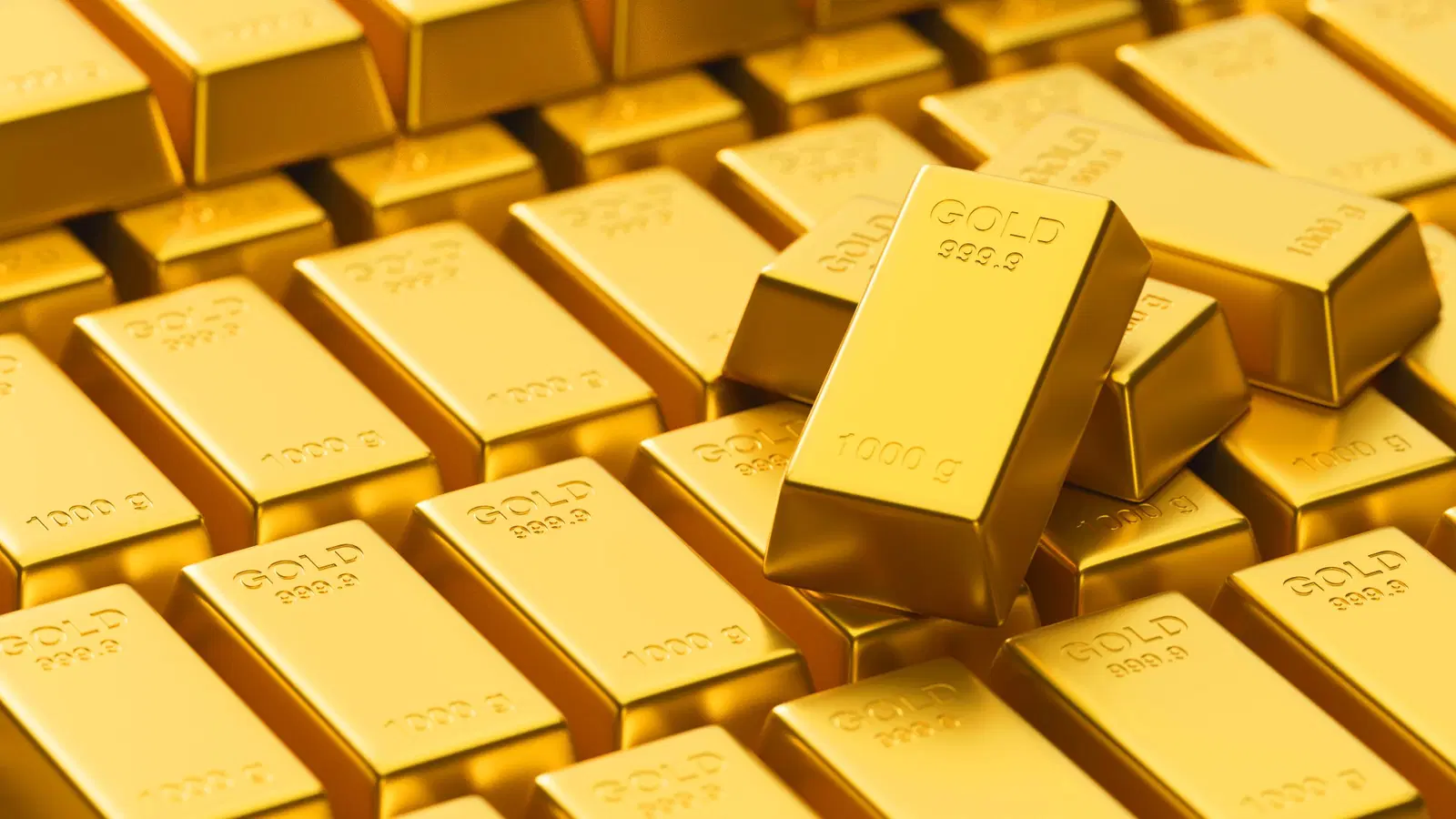
Gold prices surged beyond $5,000 per ounce for the first time on Monday, extending a historic rally driven by escalating geopolitical tensions, uncertainty around global monetary policy, and renewed demand for safe-haven assets: a surge with major implications for gold-producing countries in Africa.
For economies that produce gold, especially those in Africa, where bullion is still a crucial export good and a significant source of foreign exchange revenues, the price milestone is anticipated to result in substantial windfall benefits.
Africa’s political and economic history is deeply entwined with gold. From the ancient West African empires that dominated trans-Saharan trade routes to today’s industrial mining operations feeding global markets, the metal has shaped wealth creation, diplomacy, and the continent’s standing in the world economy.
These days, gold exports bring in billions of dollars a year, support national currencies, and bolster foreign reserves in a number of African nations.
Below are Africa’s 10 largest gold-producing countries, ranked by output using World Gold Council 2024 data.
- 140.0 tonnes from Ghana
Ghana remains Africa’s largest gold producer, a position rooted in centuries of mining history. Formerly known as the Gold Coast, the country has been extracting gold since the 15th century.
Today, gold accounts for roughly 40 percent of Ghana’s total export earnings, reinforcing its central role in the economy. Elevated global prices have helped support the cedi in recent years, highlighting gold’s importance as a macroeconomic stabiliser. Production is dominated by large-scale industrial mines, complemented by a substantial artisanal mining sector.
- Mali — 100.0 tonnes
Mali’s gold industry traces its origins to the ancient Mali Empire, once a powerhouse of trans-Saharan gold trade. Gold continues to be the nation’s most significant export in the current economy.
Seeking to capture greater value from rising global prices, the government introduced a new mining code in 2023, aimed at increasing state revenues from foreign-owned mining operations.
- South Africa — 98.1 tonnes
Once the world’s largest gold producer, South Africa’s output has declined significantly from peaks of more than 600 tonnes in the early 1990s. The nation is nonetheless a significant participant in the world gold market in spite of this.
Its mines are among the deepest and most labour-intensive in the world, and the industry was foundational to the growth of Johannesburg — famously known as eGoli, the City of Gold.
Four. Burkina Faso: 94.4 tons
Over the past two decades, Burkina Faso has emerged as a significant gold producer, supported by new discoveries and foreign investment. Gold now forms the backbone of the country’s export economy.
However, the industry continues to face obstacles that affect output and investor confidence, such as political unrest, illicit mining, and security threats.
Fifth. Sudan: 73.8 tons
Gold has become Sudan’s most important source of foreign exchange, particularly after the loss of oil revenues following South Sudan’s secession.
Much of the country’s output comes from artisanal and small-scale miners, providing livelihoods for local communities but also creating regulatory, environmental, and smuggling challenges for authorities.