



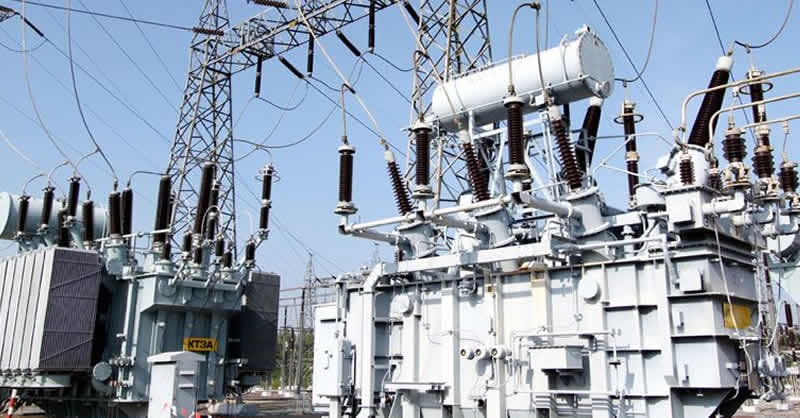
Millions of homes and businesses lost access to electricity when the National Power Grid fell once more, leaving portions of the nation without power.
Our correspondent’s checks showed that as of 1:30 pm, electricity generation had drastically decreased from over 4,500 megawatts to as low as 24 megawatts.
According to reports, all 23 grid-connected power plants lost output during the incident, leaving each of the 11 electrical distribution companies with zero power allocation.
At the time this article was filed, Transmission Company of Nigeria officials had not yet released a comprehensive statement, and the cause of the collapse could not be readily ascertained.
Just a few weeks after a similar event on December 29, 2025, which also resulted in extensive power disruptions across the nation, this is the first grid failure reported in 2026.
According to PUNCH Online, a mix of technical issues, poor transmission line maintenance, and variations in generation capacity have been blamed for grid breakdowns in recent years.
In order to stop frequent failures, stakeholders have persisted in urging the government and power companies to put strong backup plans in place.
While the public awaits an official explanation, this latest collapse has renewed concerns over Nigeria’s electricity infrastructure and its ability to support the growing demand for reliable power.