


Written by Godwin Oritse
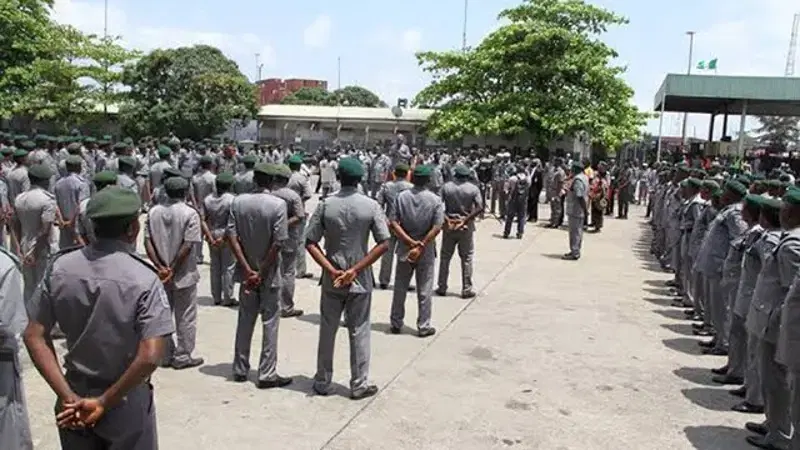
The WCO Accelerated Trade Facilitation Programme was launched by the Nigeria Customs Service (NCS) in partnership with the World Customs Organization (WCO) and the World Bank Group (WBG) as part of continuous efforts to improve trade facilitation, boost compliance, and further modernize Nigerian customs.
The program’s purpose is to examine previously established goals and validate the strategic plan for carrying out important reform measures, especially those related to Post-Clearance Audit (PCA).
In addition to outlining doable actions for enhancing effectiveness, transparency, and risk-based compliance management throughout Customs operations, the mission offers a framework for evaluating current progress.
Post-Clearance Audit is still a crucial component of contemporary customs administration, according to Deputy Comptroller-General of Customs Kikelomo Adeola, who spoke at the opening session on behalf of Comptroller-General of Customs Adewale Adeniyi. She pointed out that an efficient PCA framework promotes voluntary compliance, supports informed risk management, and enables lawful trade without jeopardizing revenue assurance.
The Nigeria Customs Service and the WCO have a solid working relationship, as is demonstrated by this mission. It demonstrates our mutual dedication to fortifying PCA frameworks, improving officers’ technical proficiency, and institutionalizing best practices that encourage voluntary compliance while protecting income.
“The ability to learn is a skill, the capacity to learn is a gift, but the willingness to learn is a decision. The Nigeria Customs Service has decided to implement PCA in our nation.
James Clark, a WCO Trade Facilitation Expert, also spoke to the audience and praised the NCS for the tremendous advancements made in a short amount of time. He noted that Nigeria’s efforts to facilitate trade are part of a larger national effort to make conducting business easier and to match customs operations with international best practices.
“It took a lot of labor to create the PCA Manual. Beyond that, your dedication to creating a top-notch PCA program within the NCS and the actions taken to operationalize it have been outstanding.
“What you have accomplished is not an easy task. Although there is still more work to be done, the advancements made thus far are very impressive.
Caroline Niagwan, the Deputy Comptroller-General of Customs in charge of Tariff and Trade, emphasized in her remarks the intentional measures the Service has made to improve risk management and Post-Clearance Audit procedures. She claims that these actions are intended to protect national economic interests, facilitate lawful trade, increase compliance, and improve revenue collection.